SCIENCEWhat does SCIENCE mean?
Established science or active scientific research. The story is grounded in scientific evidence or an active research question. The frontier may still be uncertain. See the full glossary →
Arctic Ice Shelves: Rapid Changes and Breakage Events
Ice shelves, those colossal, floating platforms of ice formed where land ice encounters the sea, are critical to management of the Earth’s climate. They put
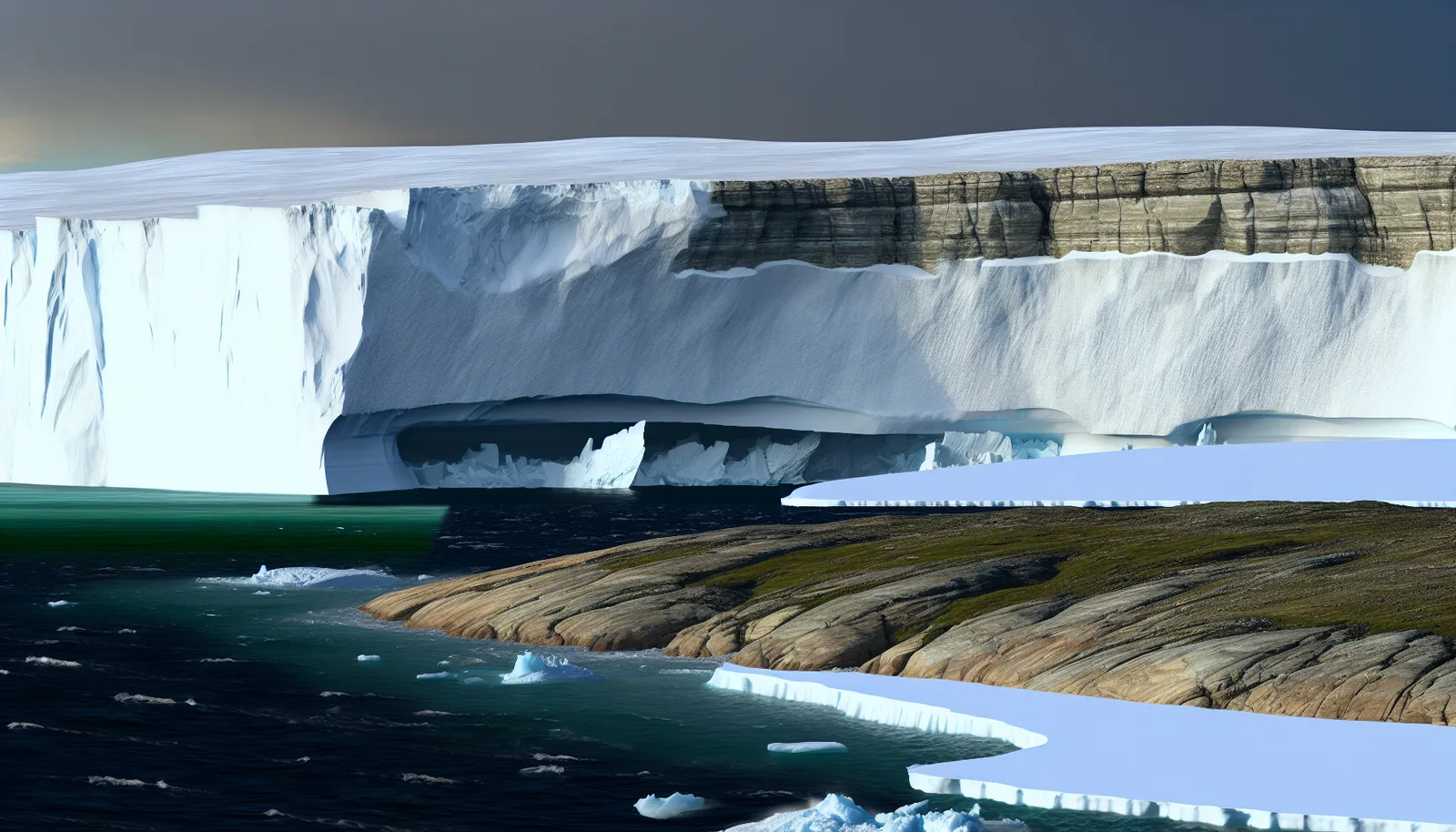
Understanding Ice Shelves
Ice Shelves, the floating platforms of ice that form where land ice meets the sea, play a critical role in maintaining the Earth’s climate. These giant slabs of ice help to slow down the flow of glacier ice into the ocean, reducing the rate of sea-level rise. As a child, I was fascinated by these icy marvels, their sheer size, and the role they played in our ecosystem.
The Rapid Changes in the Arctic Ice Shelves
In recent years, Arctic Ice Shelves have been undergoing rapid changes. These changes are primarily driven by increasing air and ocean temperatures. Scientists have observed an alarming acceleration in the rate of ice loss. The NASA’s Vital Signs reports that the Arctic is warming at a rate of almost twice the global average. This rapid warming is causing the ice shelves to thin and retreat, leading to an increase in the rate of iceberg calving.
Iceberg Calving and Breakage Events
Iceberg calving, the process where chunks of ice break off at the edge of a glacier, is a natural occurrence. However, the frequency and scale of these events have increased dramatically due to a warming climate. In 2020, a massive 110 square mile iceberg broke off from the Arctic’s largest remaining ice shelf – the Nioghalvfjerdsfjorden in northeast Greenland. This event brought into sharp focus the alarming rate at which our planet’s ice is disappearing.
Impact of Breakage Events
Such large-scale breakage events can have significant consequences. When these giant icebergs melt, they contribute to sea-level rise, threatening coastal communities. They also disrupt ocean currents and impact marine ecosystems. These changes can influence weather patterns and may lead to more intense and frequent extreme weather events.
The Future of Arctic Ice Shelves
The future of Arctic Ice Shelves looks grim unless global warming is addressed urgently. According to the Intergovernmental Panel on Climate Change, if current trends continue, the Arctic could be ice-free during summer within a few decades. This could have catastrophic effects on global climate and biodiversity.
Conservation efforts are underway to slow down the rate of ice loss. These include reducing greenhouse gas emissions and promoting sustainable practices. However, more needs to be done. Each one of us has a role to play in preserving our planet’s ice shelves. From making eco-friendly choices to raising awareness about the issue, every effort counts.
Conclusion
The rapid changes and breakage events of Arctic Ice Shelves are a stark reminder of the impact of global warming. By understanding these changes and their implications, we can better appreciate the urgent need for climate action. It is a daunting challenge, but one that we must face for the sake of our planet and future generations.
For further reading on how climate change is affecting the world, check out our post on The Effects of Climate Change on Wildlife.
Sources & further reading
Use NASA Science, NOAA Ocean Service, Smithsonian, and Encyclopaedia Britannica as starting points. Specific claims should be checked against primary research and archival sources.
Go down the rabbit hole
Surprise me →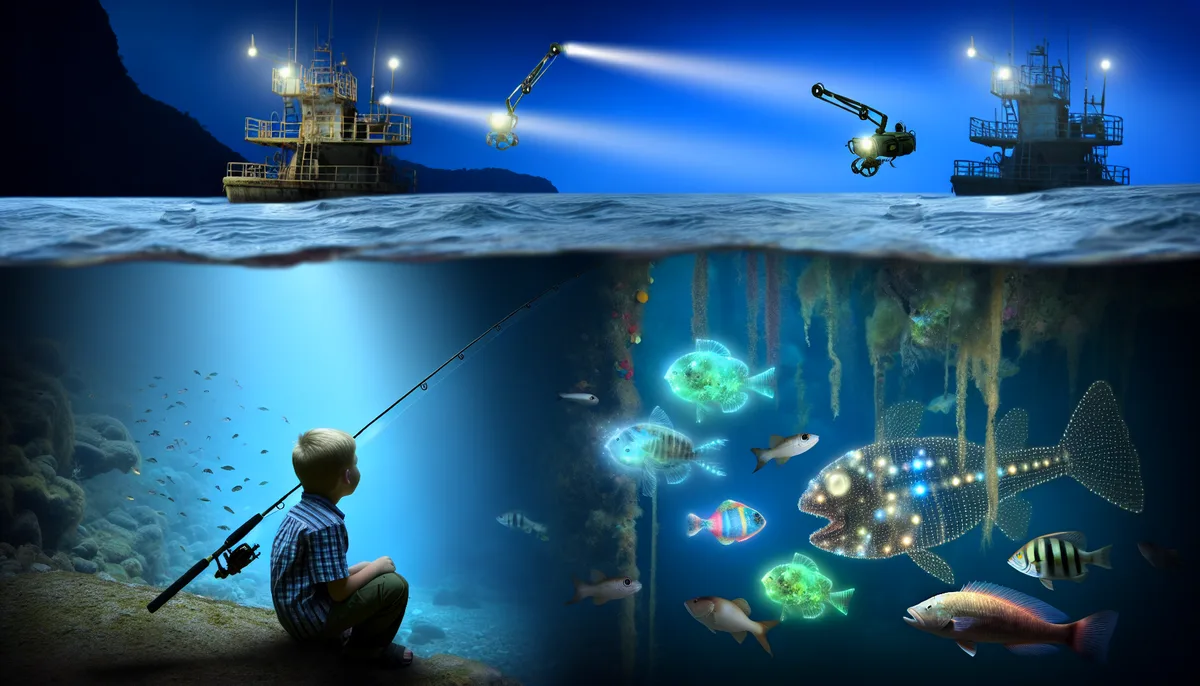
Rare Fish Sightings: New Species Found in Deep Seas
Shops David Parish-James Breamore Countryside Museum: tel 01725 512468 e. david@breamorehouse.com The Trust Cafe B+F 0300
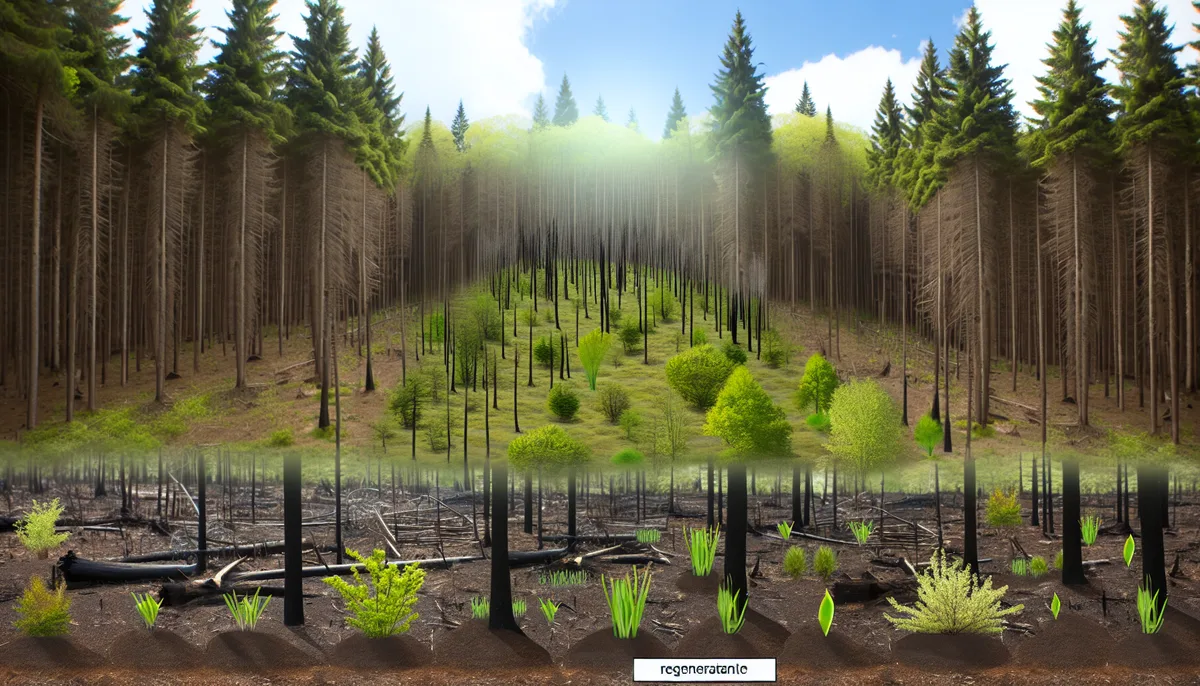
Forest Regeneration: Rapid Recovery After Devastating Wildfires
Our planet’s ability to heal and renew, is on full display through Forest Regeneration. This intriguing process enables forests to spring back to life after disturbances
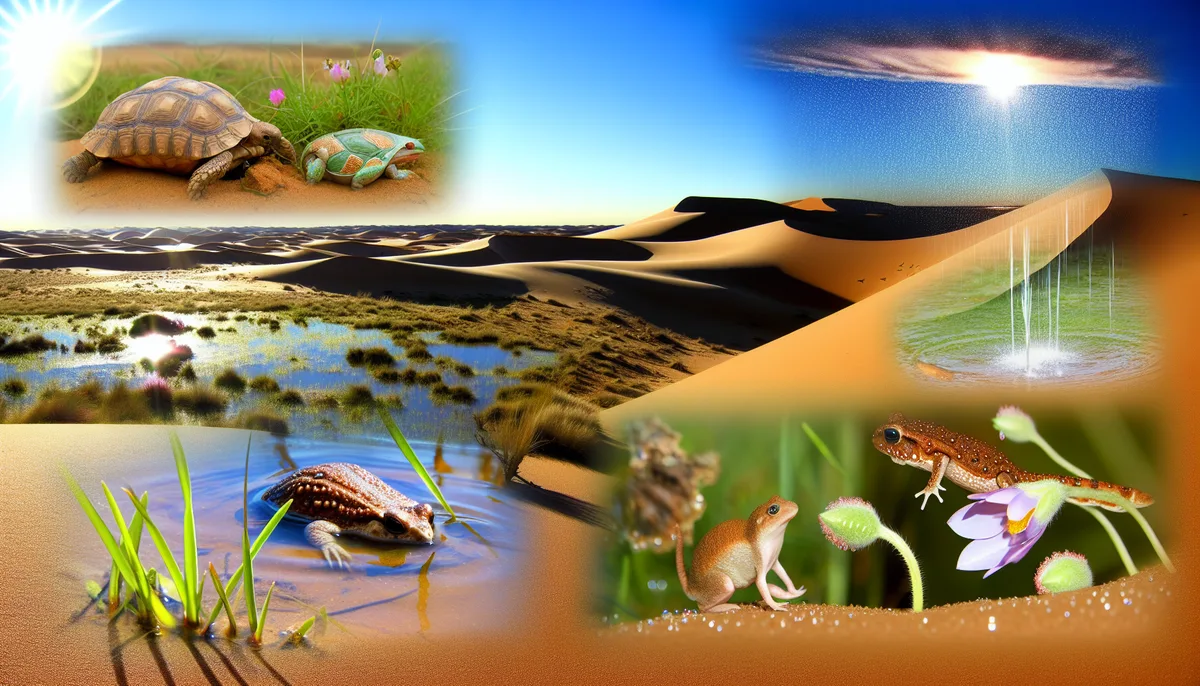
Desert Wildlife: Unusual Animal Behavior After Rains
As a child, I assumed the desert was vacant and lifeless. However, I quickly learned life flourishes in the harshest environments in the