SCIENCEWhat does SCIENCE mean?
Established science or active scientific research. The story is grounded in scientific evidence or an active research question. The frontier may still be uncertain. See the full glossary →
Forest Soundscapes: Changes in Animal Communication
Forest Soundscapes, the living orchestra of nature, forms an amazing symphony of sounds. Within these intriguing soundscapes, animals communicate uniquely with
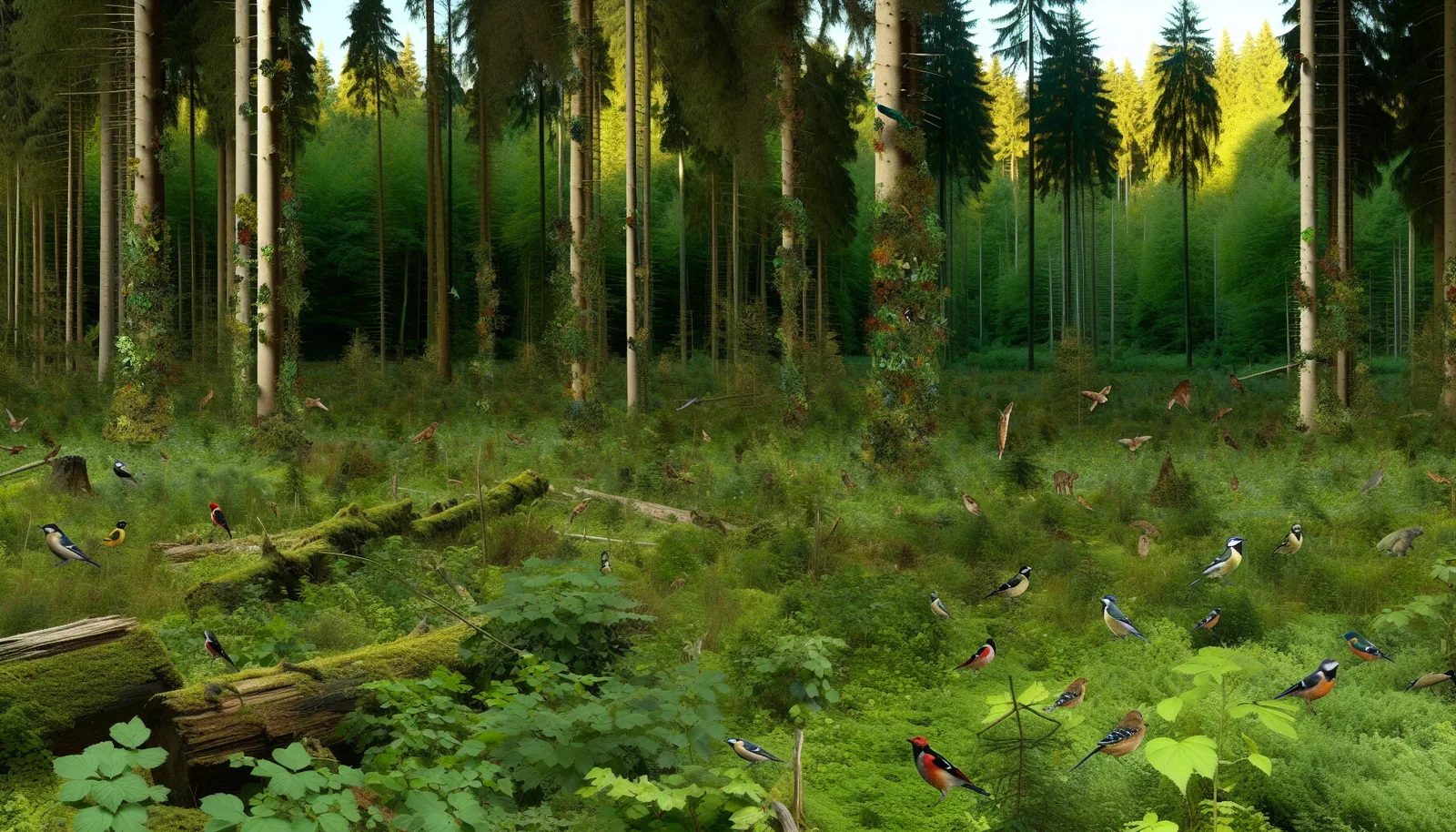
Introduction to Forest Soundscapes
In the heart of the wilderness, Forest Soundscapes form a symphony of sounds that bring the environment to life. From the rustling of the leaves, the creaking of the branches, the chirping of the birds, to the rustle of small creatures in the underbrush, the forest is a living orchestra constantly in play.
The Role of Soundscapes in Animal Communication
Animals use these Forest Soundscapes as a means of communication. Each species has its unique “language,” whether it’s the distinct call of a bird or the rustling sound of a small mammal moving through the underbrush. They use these sounds to warn others of danger, attract a mate, or even to locate food.
Changes in Animal Communication
Over time, these Forest Soundscapes have experienced changes. Factors such as climate change, deforestation, and urbanization have disrupted the natural flow of communication among species. For instance, the noise pollution brought about by human activities can interfere with the sounds of the forest, making it challenging for animals to communicate effectively.
Impact of Changes in Forest Soundscapes
The changes in Forest Soundscapes can have significant impacts on animal populations. For example, a study by the Nature Ecology and Evolution journal found that noise pollution can alter the way birds communicate, affecting their mating and survival rates.
Adaptation to the Changes
Despite the drastic changes in their environment, animals have shown remarkable resilience. Some species have adapted by altering the frequency of their calls to be heard over the din of human noise, while others have changed their communication times, opting for quieter periods like the early morning or late evening.
Preserving Forest Soundscapes
Preserving the integrity of Forest Soundscapes is crucial for the survival and well-being of animal species. Implementing measures such as noise pollution control, protecting natural habitats, and promoting sustainable practices can help maintain the balance of these unique ecosystems.
Efforts to Study and Preserve
Scientists and conservationists are utilizing advanced technology to study and preserve these Forest Soundscapes. The emerging field of soundscape ecology aims to understand the role of sound in ecosystems and how it can be preserved for future generations.
Conclusion
In conclusion, the symphony of sounds that make up Forest Soundscapes plays a pivotal role in animal communication. As a boy, I remember standing in awe of the vastness of the forest, the chorus of life all around me. It’s a memory I cherish, a reminder of the importance of these natural soundscapes. As we move forward, let’s remember to protect these wonderful soundscapes, for they are not just a part of our world, but a vital part of the animal kingdom as well.
For more interesting reads about the wonders of nature, check out our blog post on understanding nature’s sounds.
Sources & further reading
Use NASA Science, NOAA Ocean Service, Smithsonian, and Encyclopaedia Britannica as starting points. Specific claims should be checked against primary research and archival sources.
Go down the rabbit hole
Surprise me →
Rare Fish Sightings: New Species Found in Deep Seas
Shops David Parish-James Breamore Countryside Museum: tel 01725 512468 e. david@breamorehouse.com The Trust Cafe B+F 0300
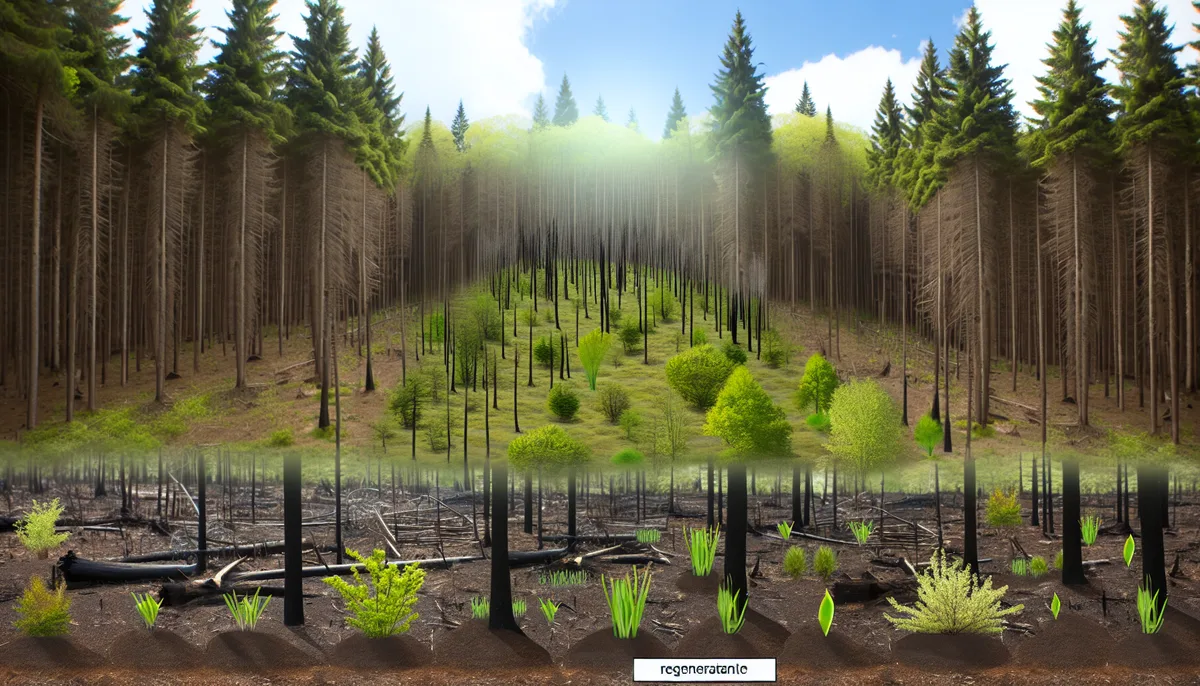
Forest Regeneration: Rapid Recovery After Devastating Wildfires
Our planet’s ability to heal and renew, is on full display through Forest Regeneration. This intriguing process enables forests to spring back to life after disturbances
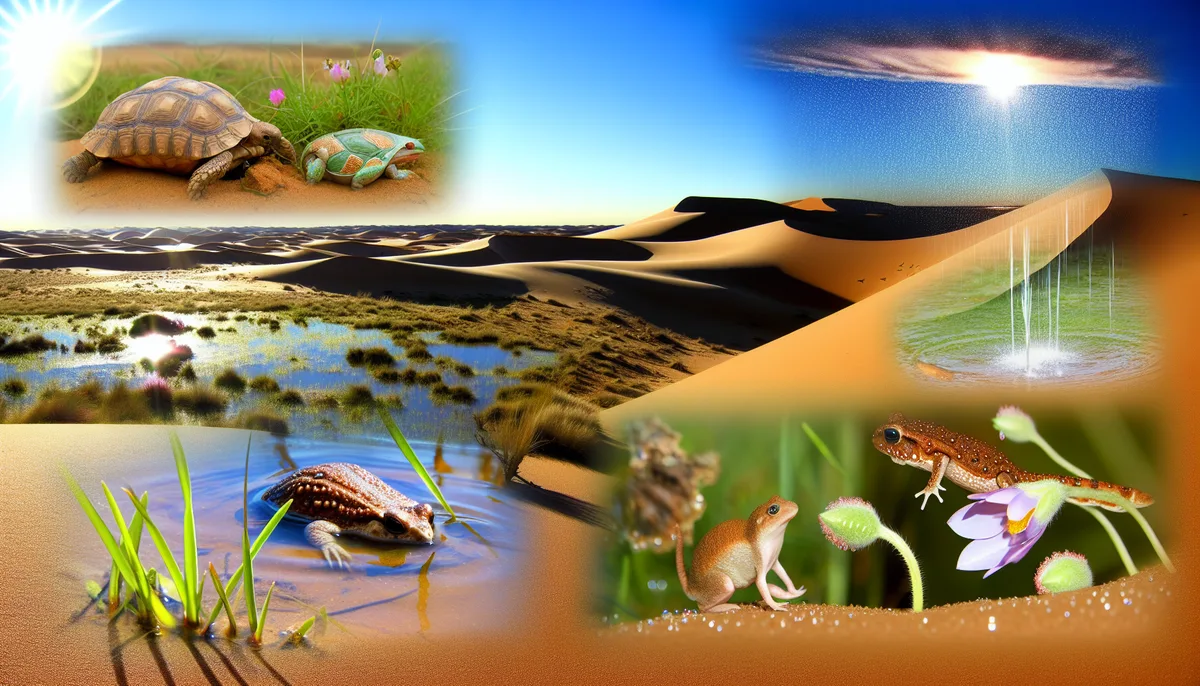
Desert Wildlife: Unusual Animal Behavior After Rains
As a child, I assumed the desert was vacant and lifeless. However, I quickly learned life flourishes in the harshest environments in the