SCIENCEWhat does SCIENCE mean?
Established science or active scientific research. The story is grounded in scientific evidence or an active research question. The frontier may still be uncertain. See the full glossary →
Rare Mineral Deposits: Newly Found Geological Formations
Mineral deposits are fascinating for geologists like me, offering a treasure trove of knowledge about the earth’s crust. They range from precious metals such
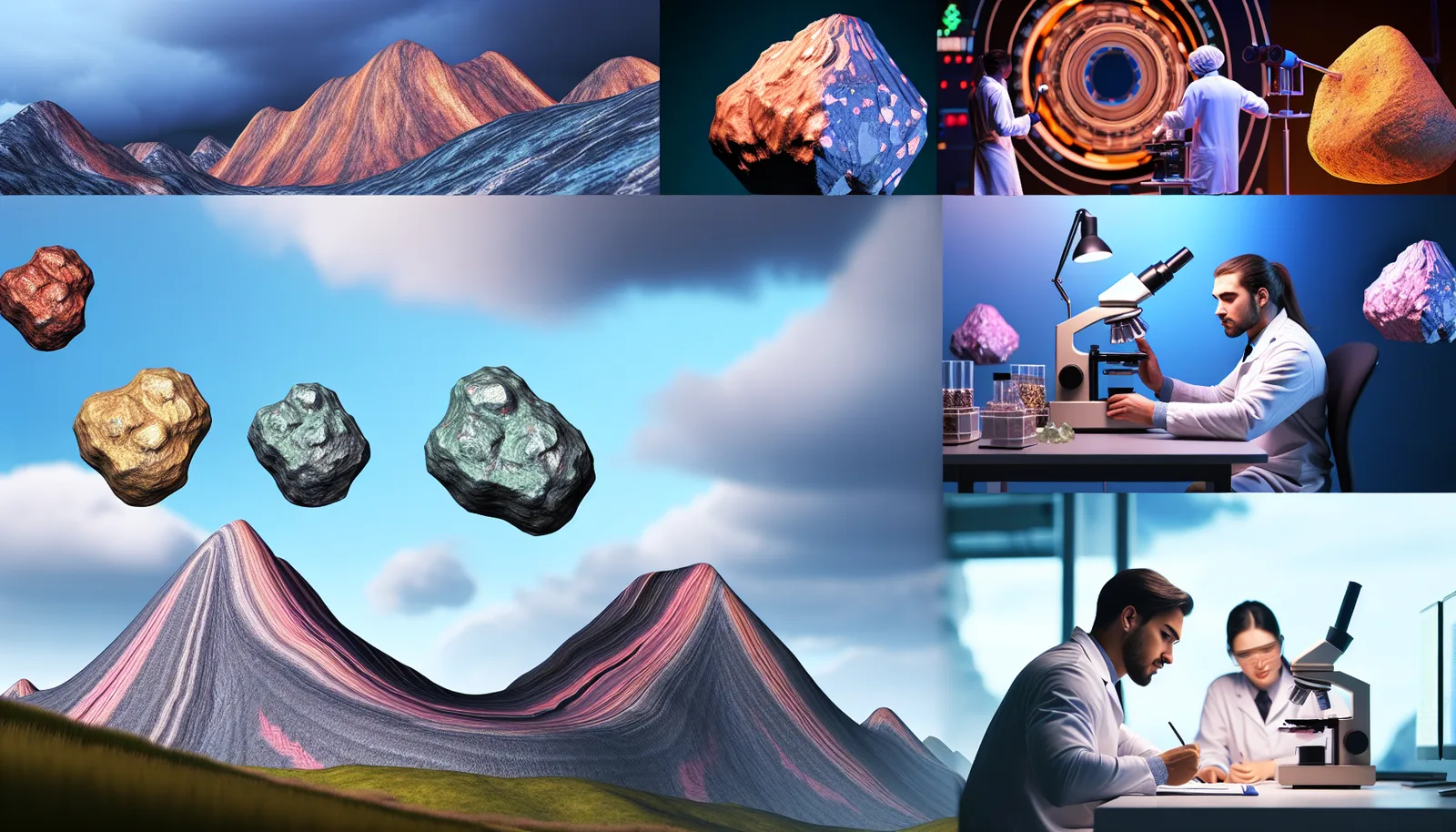
Introduction to Mineral Deposits
To dig deeply into the world of mineral deposits, we must first understand what they are. Mineral deposits are naturally occurring accumulations of minerals in the earth’s crust. These can range from precious metals like gold and silver to industrial minerals like clay and salt. As a geologist, I’ve always been fascinated by the diverse world of minerals and their deposits.
Rare Mineral Deposits
The term ‘rare mineral deposits’ refers to the discovery of unique geological formations that are not commonly found. These exclusive findings stir a lot of excitement in the geological community as they can bring new understanding and knowledge about the earth’s crust.
Newly Found Geological Formations
Just recently, some extraordinary geological formations have been discovered. These formations contain rare and interesting mineral deposits, which have caught the attention of geologists and mineralogists worldwide. Some of these include the newly found deposits of a rare mineral called Ringwoodite, found deep within the earth’s mantle. This mineral is thought to hold a significant amount of the earth’s water, hidden in its crystal structure.
Another exciting discovery is the mineral Skutterudite, found in the deep-sea vents. This mineral is known for its potential use in thermoelectric devices, which convert heat into electricity.
Significance of these Discoveries
These discoveries hold significant value in terms of scientific knowledge and potential practical applications. For instance, understanding the distribution and concentration of these mineral deposits could provide clues about the earth’s history and evolution.
From a practical perspective, these minerals could have potential uses in various industries. For example, Skutterudite’s thermoelectric properties could be harnessed for generating power.
For more insights on how these deposits could revolutionize industries, you can read our article on The Impact of Mineral Deposits on Industries.
The Process of Finding and Studying Mineral Deposits
The process of finding and studying mineral deposits is a meticulous one. It involves extensive fieldwork, sample collection, laboratory analysis, and data interpretation.
Geologists use various techniques such as remote sensing, geophysical surveys, and geochemical analysis to locate and study these deposits. Once a deposit is located, samples are collected for further laboratory analysis.
The Role of Technology in Studying Mineral Deposits
Technology plays a crucial role in the study of mineral deposits. Advanced tools and techniques like satellite imagery, Geographic Information System (GIS), and X-ray diffraction are used to locate and analyze these deposits.
For an in-depth look at how technology is transforming the field of geology, check out this external source: Technology in Geology: A Game Changer.
Conclusion
The discovery of rare mineral deposits and the study of newly found geological formations are exciting developments in the field of geology. These discoveries not only add to our understanding of the earth’s crust but also hold the potential to bring about significant advancements in various industries. As we continue to explore and understand our planet, who knows what other amazing discoveries lie in wait?
In the end, the study of mineral deposits is a journey – a journey of discovery, understanding, and innovation. It’s a journey that continually reminds us of the awe-inspiring complexity and richness of our planet.
Sources & further reading
Use NASA Science, NOAA Ocean Service, Smithsonian, and Encyclopaedia Britannica as starting points. Specific claims should be checked against primary research and archival sources.
Go down the rabbit hole
Surprise me →
Rare Fish Sightings: New Species Found in Deep Seas
Shops David Parish-James Breamore Countryside Museum: tel 01725 512468 e. david@breamorehouse.com The Trust Cafe B+F 0300
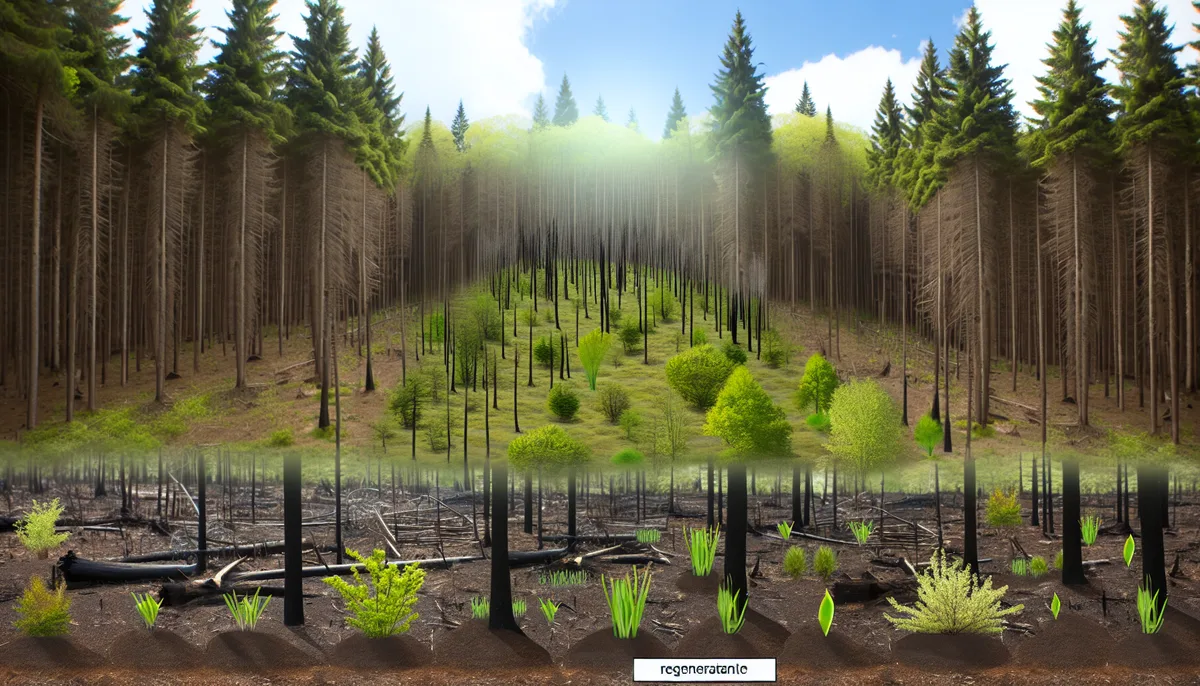
Forest Regeneration: Rapid Recovery After Devastating Wildfires
Our planet’s ability to heal and renew, is on full display through Forest Regeneration. This intriguing process enables forests to spring back to life after disturbances

Desert Wildlife: Unusual Animal Behavior After Rains
As a child, I assumed the desert was vacant and lifeless. However, I quickly learned life flourishes in the harshest environments in the